★★★★ Abstract: the organization of the Visigothic army: an overview spanning from Romanization to the fall of the kingdom in the 8th century, with particular attention paid to the cultural aspects of the subject. Autore: Schwerpunkt Link: Schwerpunkt https://www.youtube.com/watch?v=7w-moXbp_go&t=2s
The Anglo-Saxon Chronicle
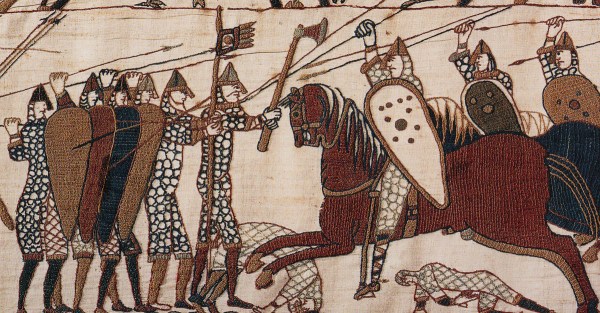
Abstract: Compiled initially in the late 9th century during the reign of King Alfred the Great, the Anglo-Saxon Chronicle is the earliest continuous historical narrative recorded in any Germanic vernacular. Surviving across multiple distinct manuscripts, this collection of annals traces the origins of the English people from antiquity through the Norman Conquest and beyond. The... Continua a leggere →
The Genius of Sweden’s “Lion of the North”
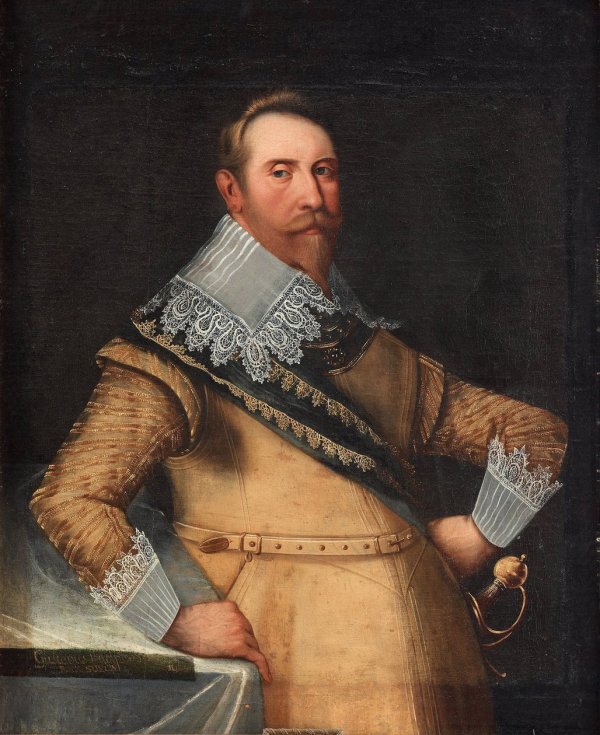
★★ In the skies over a modern battlefield a joint tactical air control team is often credited for carrying their platoon's “big gun,” or radio, as devastating airstrikes are vectored in from aircraft loitering in the battle space where friendly forces are taking fire. Laser guided munitions, global positioning systems, joint direct attack munition technology... Continua a leggere →
The Manpower Revolution or the Military Revolution in the Early-Modern German States
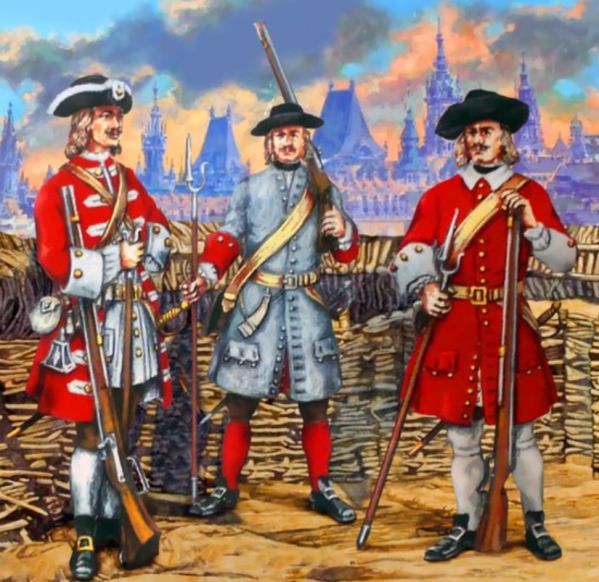
★★★ The Manpower Revolution or the Military Revolution in the Early-Modern German States by Thomas Wollschläger The German states during the early modern period offer a vastly diverse picture, regarding the developments of the so-called Military Revolution and its various manifestations. Even if taken into account that there is no uniform set of Military Revolution... Continua a leggere →
Chi erano i Turcopoli?
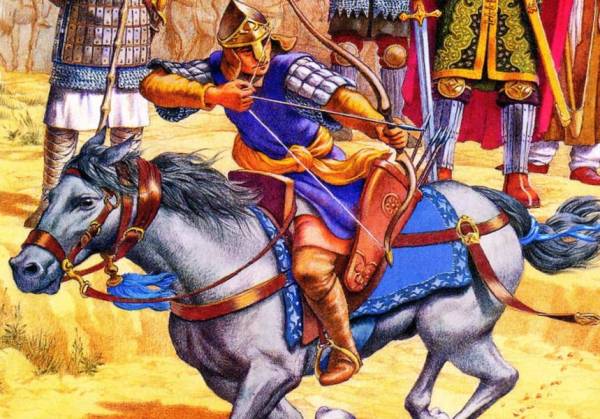
★ I Turcopoli erano una cavalleria leggera, composta prevalentemente da arcieri, inquadrata negli eserciti crociati in Terra Santa. La loro origine risaliva ai Bizantini, i quali furono i primi ad utilizzarli in funzione anti turca; e il nome con il quale venivano designati “Tourkopoloi”, significava letteralmente “figli di Turchi”; quindi si trattava probabilmente di schiavi... Continua a leggere →
Infantry versus Cavalry: The Byzantine Response
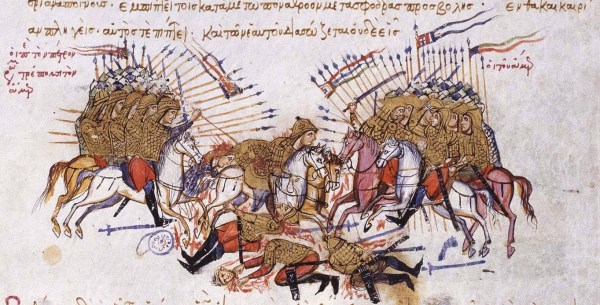
★★★ The Byzantines encountered many different nations on the battlefield during their long history. The surveys of foreign peoples in the military manuals amply illustrate the Byzantines' readiness not only to analyze the tactics and characteristics of their enemies, but also even to learn from them when necessary (1). Their recognition of the need to... Continua a leggere →
La datazione al radiocarbonio rivela che il più grande tesoro di elmi in Spagna è medievale, non romano

Un gruppo di 43 elmi di ferro recuperati dal fondale marino al largo della costa orientale spagnola è stato datato tra la fine del XIV e l'inizio del XV secolo, ribaltando una convinzione diffusa da oltre trent'anni. Gli archeologi ritenevano che gli elmi risalissero al periodo romano. Nuove ricerche dimostrano invece che facevano parte di... Continua a leggere →
THE DUKE OF WELLINGTON AND THE SUPPLY SYSTEM DURING THE PENINSULA WAR

Experts, including Congressional Strategic Posture Commission Commissioners, examine the future of US nuclear strategy to develop nonpartisan policies addressing key security challenges facing the nation.
The Crusades and Military History
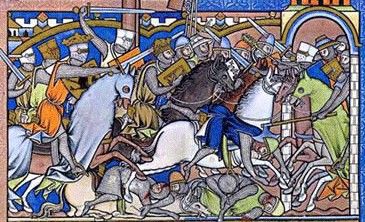
★★★ This study is concerned with the military history of the crusades to the Eastern Mediterranean (1). Because of my own limitations, it is chiefly about the period down to the end of the thirteenth century. Now the Crusades seen in this way occupy an interesting position in the historiography of medieval warfare. They were... Continua a leggere →
Mappa militare interattiva globale dell’età napoleonica

Mappa Militare Globale, in lingua italiana, sull'età Napoleonica ambientata nel 1812. Vengono segnalate le strutture militari più importanti di ogni paese, inoltre viene fornita una descrizione storica delle varie nazioni e delle loro capitali. Perché utilizzare una mappa storica militare interattiva? In generale, le carte storiche permettono di comprendere la relazione tra specifici eventi storici... Continua a leggere →
 militartis.com